
The Dangerous Reality of Maritime Pilot Ladder Transfers
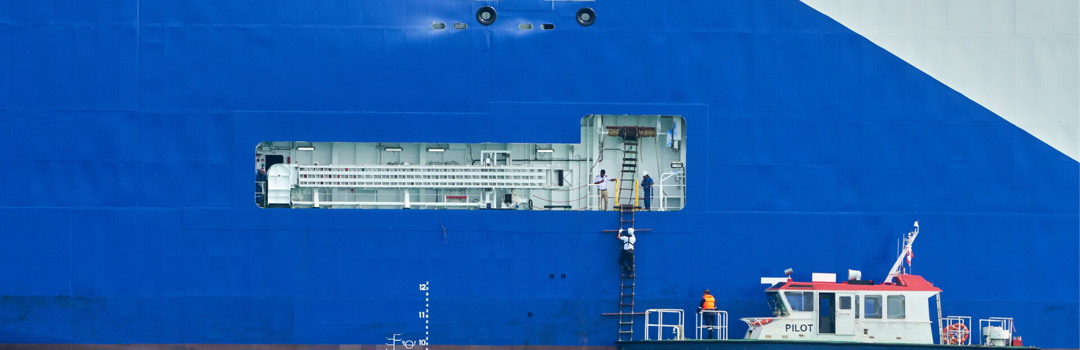
Most people have never heard of maritime pilots, yet these highly skilled professionals play an indispensable role in keeping ports safe and commerce flowing. Every day, pilots board massive container ships, oil tankers, and cargo vessels entering harbors in the U.S. and worldwide, guiding them through congested waterways where one navigational error could have devastating effects.
But one of the most dangerous parts of a maritime pilot's job isn't navigating a 1,000-foot container ship through a crowded harbor. It's getting onto the ship in the first place.
What Is a Maritime Pilot?
Maritime pilots—also called harbor pilots, bar pilots, or ship pilots—are licensed professionals who have specialized knowledge of local waterways. According to the International Maritime Pilots' Association (IMPA), pilots are highly trained experts in ship navigation in specific waters who possess extensive knowledge of local conditions. They temporarily board vessels to guide them through dangerous or high-traffic waters, including harbors, river mouths, channels, and ports. Unlike the ship's crew, pilots are independent experts hired for specific port entries and exits.
Maritime pilots have specialized knowledge of water depths, currents, tides, hazards, and traffic patterns specific to their assigned ports. They know port regulations, communication procedures, and local conditions that visiting ship captains (who may be entering a port for the first time) couldn't possibly know. In the United States, piloting services are required by law in most commercial ports, with legislation in some states dating back to the 1700s.
The pilot's role is typically advisory rather than commanding. The ship's captain retains ultimate command and responsibility for the vessel; the pilot provides critical guidance on navigation, speed, and maneuvering during the approach to and departure from port.
Becoming a maritime pilot and performing the work comes with serious risks. The job requires significant upper-body strength and cardiovascular fitness. Pilots work around the clock on rotating schedules, dispatched at any time, day or night. The IMPA describes the work as "highly responsible, difficult, demanding, and dangerous."
Maritime Ladders: Low-Tech, High-Risk
To board a vessel, a pilot must complete a "low-tech, high-risk" operation. A small pilot boat approaches the moving commercial vessel at sea. The large vessel reduces its speed and may alter course to create a lee (sheltered side) to protect against wind and waves.
The pilot boat matches the speed of the much larger vessel and comes alongside near a rope ladder hanging from an opening in the hull called a shell door. This ladder—called a pilot ladder—may hang about 26 feet or more from the deck to just above the water. In some ports, pilots must climb ladders extending 40 feet or higher.
With both vessels moving, affected by wind, waves, and currents, the pilot must climb this swaying rope ladder hand over hand. At the top, the pilot must transition from the ladder to the vessel's deck: the most dangerous moment of the entire operation.
After the pilot completes the job of guiding the ship into or out of port, the process reverses. The pilot descends the ladder, times the movement of the pilot boat against the waves, and jumps from the ladder onto the deck of the pilot boat.
Some pilots, like those working the Columbia River Bar, transfer via helicopter in extreme conditions, but helicopter transfers come with their own risks.
Pilot Ladder Accidents Endanger Pilots & Other Crew Members
On January 12, 2026, a harbor pilot fell from a pilot ladder as he was disembarking a bulk carrier near Panama City, Florida. Although the pilot boat operator pulled him from the water within minutes, the pilot did not survive.
On January 8, 2023, a pilot fell from a pilot ladder while boarding a roll-on/roll-off cargo vessel while approaching the Humber Estuary. He struck the deck of the pilot boat before falling into the water, and though he was quickly recovered onto the cargo vessel’s man overboard recovery platform, the platform could not be raised. The pilot remained partially submerged in cold water for 40 minutes until a lifeboat transfer was possible. He was evacuated by helicopter but was later pronounced dead.
Maritime pilots are not the only ones who face hazards involving pilot ladders. Seamen are at risk of falling overboard and drowning while deploying pilot ladders.
A December 2025 case study evaluated one such incident. Early in the morning, a container vessel was preparing to embark a pilot in challenging conditions. It was dark and raining, with a heavy swell on the port quarter. A seaman was sent alone to rig the pilot ladder, which was on a roller winch and deployed from a side door approximately 10 feet above sea level. He went to complete the task, out of sight of the watchkeeper.
Approximately 30 minutes later, the pilot boat approached the vessel and contacted the bridge by radio. The side door was open, but the ladder wasn't deployed. An officer was sent from the bridge to rig the ladder. The pilot boarded.
A search of the ship confirmed the seaman was missing, and a mayday call went out. The pilot boat, local lifeboats, and a search-and-rescue helicopter searched for hours. The seaman's body was located and recovered by helicopter approximately five hours later.
He was not wearing a lifejacket.
Why Pilot Ladder Transfers Are So Dangerous
The physics of pilot ladder transfers create inherent danger: the ladder itself, the height of the transfer, and two vessels in motion, affected by weather and waves. Fall arrest equipment cannot be used because the dynamic environment makes it impractical and potentially more dangerous. Both vessels are moving up and down, and a fall arrest system could trap a pilot between the vessels or create additional hazards.
One missed handhold, one misstep, one moment of poor timing, and the pilot falls—either into the water between two moving vessels or onto the deck of the pilot boat below.
Environmental Hazards
U.S. ports face varying environmental challenges. Northern ports like Boston and those serving the Columbia River have water temperatures that create serious cold shock and hypothermia risks. River mouth ports face strong currents that can pull fallen pilots or crew members away from rescue vessels. Gulf Coast ports face hurricane season weather. East Coast ports face nor'easters and winter storms.
Equipment Failures
Pilot ladders are made of rope and wood, materials that degrade over time, particularly in an environment where they are continuously exposed to sun and saltwater. If ropes, rungs, stanchions, or platforms are not properly inspected and maintained, they may fail, sending a pilot or other crew member onto the deck or into the water below.
Even compliant ladders become dangerous when improperly rigged:
- Using shackles instead of rolling hitches to secure the ladder.
- Positioning the ladder incorrectly against the hull.
- Improperly rigging the tripping line.
- Putting too much stress on steps or spreaders instead of side ropes.
Maritime employers and vessel owners must ensure that pilot ladders are rigged properly and routinely inspected and maintained, including load testing. If they don’t, a serious accident is inevitable.
The Transition from Ladder Top to Deck
The most dangerous moment in a pilot ladder transfer occurs at the top of the climb. The pilot, having ascended 8 to 40 feet on a swaying rope ladder, must transition from the ladder to the vessel's deck. This requires reaching for handhold stanchions (vertical metal posts extending above the deck) and using them to pull themselves up and over the rail. The pilot needs to get a firm, secure grip to pull their full body weight up and over the rail. If the stanchion is positioned incorrectly, angled wrong, or designed in a way that prevents a firm grasp, the pilot risks losing their grip and falling backward.
According to the 2022 annual report by the UK Marine Accident Investigation Branch, 13% of pilot ladder accidents worldwide are attributed to handhold stanchions that aren't fit for purpose. Yet vessels continue to operate with inadequate stanchions, and pilots continue to risk their lives climbing aboard these ships.
Regulatory Requirements for Pilot Ladders
The International Convention for the Safety of Life at Sea (SOLAS) establishes mandatory requirements for pilot ladders used on vessels in international waters. SOLAS Chapter V Regulation 23 specifies detailed standards for ladder construction, materials, dimensions, and rigging.
Pilot ladders must comply with ISO 799-1:2019 standards and be certified by the manufacturer. Side ropes must be made of manila or equivalent material, at least 18mm in diameter, with a breaking strength of at least 24 kN (about 5,400 pounds of force). Steps must be hardwood, made in one piece, non-slippery, and meet specific dimensions: not less than 115mm wide, 25mm deep, with 400mm spacing between the side ropes.
Spreader steps (wider steps placed at intervals to prevent the ladder from twisting) must be installed at specific locations. The ladder must have permanent markings at regular intervals to facilitate rigging at the correct height. Ships must carry a spare pilot ladder. The ladder must be inspected before each use and properly maintained.
New Requirements Taking Effect in 2028
In June 2025, the International Maritime Organization adopted significant amendments to SOLAS Regulation V/23, establishing stricter requirements for pilot transfer arrangements. These amendments become mandatory on January 1, 2028.
Key changes include:
- Service life limits: Pilot ladders must be removed from service and replaced within 36 months of manufacture or 30 months after being put into service, whichever comes first.
- Doubled strength requirements: The required breaking strength for securing arrangements increased from 24 kN to 48 kN.
- Repairs prohibited: Ships can no longer repair pilot ladders by replacing individual damaged steps. If a ladder is damaged, the entire ladder must be replaced.
- Mandatory spares: Ships must carry at least one spare compliant pilot ladder and one spare set of manropes on board at all times.
- Crew training required: Personnel responsible for inspecting, maintaining, rigging, or operating pilot transfer equipment must receive proper onboard training.
- Regular inspections documented: Ladders must be inspected before each use, after each use, and every three months, with records maintained onboard.
These requirements are meant to address the persistent compliance failures that have contributed to pilot ladder accidents. But their effectiveness will depend on enforcement by flag states, port state control inspections, and the willingness of vessel owners to invest in compliance rather than continuing to use substandard equipment.
Your Legal Rights After a Pilot Ladder Accident
Maritime pilots and vessel crew members are considered seamen under U.S. maritime law and protected by the Jones Act. When seamen are injured or killed in ladder accidents, they or their families can pursue legal claims against responsible parties.
Jones Act negligence claims can be based on:
- Non-compliant pilot ladders that don't meet SOLAS standards
- Improperly rigged ladders
- Defective handhold stanchions
- Poor lighting for night transfers
- Transfers conducted in unsafe weather conditions
- Failures to inspect ladders before use
- Using expired or damaged ladders
Unseaworthiness claims apply when defective equipment or dangerous conditions make the vessel unfit for its intended purpose. A pilot ladder that doesn't meet safety standards, that's in poor condition, or that's improperly rigged makes the vessel unseaworthy. Pilots can recover damages regardless of specific negligence.
Maintenance and cure provides immediate coverage for medical treatment and basic living expenses for injured pilots, regardless of fault.
The Death on the High Seas Act allows families of maritime pilots killed beyond three nautical miles from shore to recover compensation for loss of financial support and loss of companionship.
In addition to claims against vessel owners and employers, injured workers may have claims against:
- Pilot ladder manufacturers for defective products that break or fail during use
- Vessel operators for inadequate equipment or improper rigging
- Companies responsible for maintenance that fail to inspect or replace equipment
- Designers or installers of handhold stanchions or securing points that don't meet safety requirements
Every Pilot Ladder Transfer Should Be Safe
Pilot ladder accidents are preventable. If you're a maritime pilot who has been injured in a ladder accident or a crew member injured while rigging pilot equipment, or if you've lost a family member to a pilot ladder accident, you have legal rights. Companies that use non-compliant equipment, that rig ladders improperly, that send crew members to work in unsafe conditions, or that fail to provide basic safety equipment should be held accountable.
Maritime law provides remedies for injured workers and families of those killed, but only if you take action to protect your rights and seek the compensation you deserve.
Call (888) 346-5024 now to speak with a maritime accident lawyer at Arnold & Itkin to learn more about your rights and options.


