
Ports Along the Mississippi River
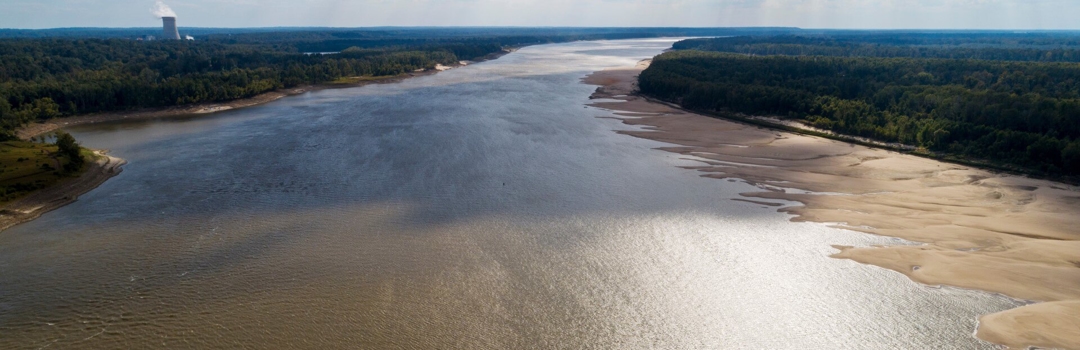
Originating from an Algonquian word meaning “big river” or “great river,” the Mississippi is one of the longest rivers in the world, extending 2,340 miles from its source at Lake Itasca in Minnesota all the way down to the Gulf of Mexico. Every year, hundreds of millions of tons of cargo move through ports along the Mississippi River. From grain elevators in Minnesota to deep-water terminals in Louisiana, the Mississippi handles more freight than any other inland waterway in North America—and employs tens of thousands of workers across a wide range of industries and specialties.
The Mississippi River and its tributaries reach 31 states and two Canadian provinces, funneling goods from farms, factories, and refineries through a network of 41 major ports.
The Biggest & Most Influential Mississippi River Ports
Port of South Louisiana
The Port of South Louisiana spans 54 miles of the Mississippi River between Baton Rouge and New Orleans. It is the largest port in Louisiana and the second largest in the Western Hemisphere, handling more than half of all U.S. grain exports and featuring 7 grain elevators and more than 40 liquid and dry bulk terminals. The Port of South Louisiana handled 217,531,611 short tons in 2023 and 251,414,191 short tons in 2024. 55,899 barges and 3,715 deep-draft vessels called upon the Port of South Louisiana in 2024.
Port of New Orleans
Located about 100 miles upriver from the Gulf of Mexico, the Port of New Orleans (Port NOLA) ranked seventh in the United States for total tonnage in 2023, handling 75,385,883 short tons of cargo. In addition to serving as Louisiana’s only international container port, the Port of New Orleans is a major cruise embarkation point, the sixth largest in the country—popular for both river and Caribbean cruises.
Port of Greater Baton Rouge
The Port of Greater Baton Rouge is one of the nation’s busiest inland ports. Located upriver from New Orleans, it handles bulk commodities, containers via the container-on-barge service, and serves major industrial facilities along the river. With 73,041,412 short tons of cargo handled, the Port of Greater Baton Rouge ranked eighth in the nation for total tonnage in 2023.
Port of Plaquemines
Ranking 13th among America’s busiest ports by tonnage, the Port of Plaquemines (Louisiana Gateway Port) is located at the mouth of the Mississippi River. The port handled more than 50 million short tons in 2023 and supports a wide range of markets: oil, liquified natural gas (LNG), grain, coal, chemicals, and more.
St. Bernard Port
The St. Bernard Port, Harbor and Terminal District is known as “the gateway to the largest shipping corridor in the world,” encompassing more than 430 acres and four terminals (Arabi, Chalmette, Meraux, and Violet) along the Mississippi River in St. Bernard Parish, Louisiana. The Port and its tenants employ 18% of the workforce in St. Bernard Parish.
Together, these five deep-water ports on the lower Mississippi River handle more tonnage than any other port system in the world.
Upper Mississippi River Ports
The Upper Mississippi, including the navigable waters between Minneapolis, Minnesota, and its confluence with the Ohio River in Cairo, Illinois, provides an essential route for agricultural products to be transported from the rich farmland of the Midwest. In addition to carrying about 60% of corn and soybean exports, the Upper Mississippi River System (which includes the Illinois River and navigable portions of the Minnesota, St. Croix, Black, and Kaskaskia Rivers) supports more than 1.86 million jobs and generates more than $584 billion in economic activity.
Minnesota Ports
The Mississippi River System stretches more than 195 miles in Minnesota and supports several ports in the state: St. Paul, Cargill (Ports of Savage), Red Wing, and Winona. The most significant commodities are agricultural products such as corn, soybeans, and wheat, but Minnesota’s river ports also handle fertilizer, cement, sand and gravel, salt, coal, steel, scrap metals for recycling, and liquid products including petroleum, caustic soda, vegetable oils, molasses, and anhydrous ammonia.
Illinois Ports
There are several key Mississippi River ports located in Illinois, including the Upper Mississippi River International Port District, located in Carroll and Jo Daviess counties, as well as America’s Central Port, located further south near the Chain of Rocks Canal in Granite City.
Tennessee & Arkansas Ports
There are two main ports on the Mississippi River in Tennessee and Arkansas. The International Port of Memphis spans both sides of the Mississippi River in Tennessee and Arkansas, from mile 725 to mile 740, and includes major industrial parks as well as slack-water harbors. Situated at the 900-mile marker, the Port of Cates Landing is owned by the Northwest Tennessee Regional Port Authority.
Mississippi State Ports
Mississippi maintains numerous inland ports along the Mississippi River. The largest are the Port of Gulfport, the Port of Rosedale Industrial Park, and the Natchez-Adams County Port. Additional ports include the Port of Greenville, the Port of Vicksburg, and the Port of Claiborne County. These inland ports handle agricultural products, forest products, aggregates, and industrial materials moving between Mississippi and markets upstream and downstream.
Why These Ports Matter to Maritime Workers
The Mississippi River port system is critical to commerce and our nation’s economy as a whole. But for the people who keep things running—crane operators, longshoremen, vessel crews, stevedores, and port employees—these ports are so much more. They are workplaces where safety matters, where injuries can be catastrophic, and where knowing your rights can mean the difference between fair compensation and financial devastation.
Every accident is different, and the laws involved in obtaining compensation vary from state to state, employer to employer, and occupation to occupation. It can be difficult to know what your rights are, much less how to fight for them. Look to Arnold & Itkin for sound legal insight from a qualified Mississippi maritime attorney who can walk you through different legal provisions made for offshore workers, such as the Jones Act or the Longshore & Harbor Workers’ Compensation Act.
We serve all seaports and river ports across the Mississippi River, including:
- America’s Central Port
- Biloxi Port
- City of Aberdeen Port
- International Port of Memphis
- Lowndes County Port
- Natchez Adams County Port
- Port Bienville
- Port Itawamba
- Port Cargill
- Port of Amory
- Port of Cates Landing
- Port of Greater Baton Rouge
- Port of Greenville
- Port of Gulfport
- Port of New Orleans
- Port of Pascagoula
- Port of Plaquemines
- Port of Rosedale
- Port of South Louisiana
- Port of Saint Paul
- Port of Vicksburg
- St. Bernard Port
- Upper Mississippi River International Port District
- Yazoo County Port
- Yellow Creek State Inland Port
Turn to Our Maritime Firm for Experienced Counsel
If you've been injured working at a port along the Mississippi River system, at a Gulf Coast facility, or aboard a vessel operating in these waters, don't wait. Maritime injury claims have strict deadlines, and evidence doesn't preserve itself. Companies have lawyers protecting their interests from day one. You deserve the same level of protection.
At Arnold & Itkin, we've taken on the largest corporations in the maritime industry and won billions of dollars for injured workers and their families. We don't back down from tough cases. We don't settle for less than our clients deserve. We fight for maritime workers—no matter what.
Get started with a free case evaluation and find out what our firm can do for you.


