
The Dangers of Underwater Welding
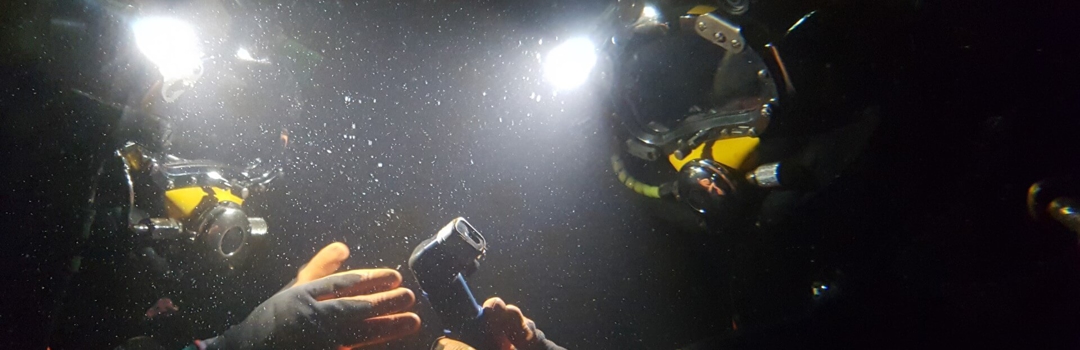
Underwater welding, also known as hyperbaric welding, is one of the most specialized and dangerous professions in the maritime industry. This highly technical occupation combines the expertise of certified commercial diving with advanced welding skills, requiring workers to perform critical repairs and construction on submerged structures in some of the most challenging environments imaginable.
Underwater welders work on offshore oil rigs, pipelines, ship hulls, bridges, dams, and other marine infrastructure, all of which are crucial to supporting global commerce and energy production. Despite offering lucrative compensation and a job experience that’s anything but boring, underwater welding consistently ranks as one of the deadliest occupations in the United States. Industry estimates place the fatality rate for underwater welders at approximately 15%, a staggering figure that makes this profession more than 75 times deadlier than other notoriously dangerous jobs like logging and commercial fishing.
The unique combination of electrocution risks, explosive gas pockets, drowning hazards, decompression sickness, and extreme environmental conditions creates a workplace where even the most experienced and well-trained professionals face life-threatening dangers—especially when safety is not put first.
Statistics & Industry Safety
The estimated fatality rate for underwater welders remains at approximately 15%, making it one of the most dangerous occupations in the United States. It is recognized as a specialized subset of commercial diving, and according to Bureau of Labor Statistics (BLS) data from 2011-2017, commercial divers experienced:
- 460 nonfatal occupational injuries
- 39 fatal occupational injuries
The University of Cambridge's 2022 "Report on Fatalities in Commercial Diving" found that commercial diving overall carries significant risk, with historical data suggesting fatality rates ranging from 2-4 per 10,000 divers per year in the UK to potentially higher figures in other countries. The report notes that commercial diving risks are approximately 12-24 times higher than construction work in the UK and 8-10 times higher in France, placing it among the most hazardous occupations globally.
Dangers Faced By Underwater Welders
Underwater welders face substantial risks each time they are on a job. Many of those risks could prove fatal, while others can cause long-term health problems.
Here are some of the most common dangers faced by underwater welders:
Electric Shock & Electrocution
Electrocution represents one of the greatest immediate threats to underwater welders. Welding typically requires 300-400 amps of direct current, which is more than enough to cause death. Special waterproof equipment with multiple layers of insulation must be used for all underwater welding operations. All electrical connections must be watertight and regularly tested, with ground fault circuit interrupters (GFCIs) to shut off power when faults are detected. However, equipment failures still occur. Compromised waterproof seals, damaged insulation, frayed cables, or malfunctioning equipment can expose welders to lethal electrical currents.
Explosions & Burns
The intense heat of the welding arc (typically between 7,000 to 11,000°F) creates a deadly chemical reaction underwater. At these extreme temperatures, water molecules break apart into hydrogen and oxygen gases that accumulate in pockets around the welding area. When mixed in the right proportions and ignited by the welding arc, these gases create highly explosive combinations that can cause severe burns, blast injuries, or death. Even without explosions, underwater welders face constant burn risks from direct contact with the welding arc, hot metal, or heated equipment, with the underwater environment making it difficult to quickly escape or extinguish burning materials.
Drowning & Equipment Failure
Despite being highly trained divers, underwater welders face significant drowning risks from equipment malfunctions, including air supply failures, tangled or severed umbilical cords (which provide air, power, and communication), damaged regulators, or compromised diving masks. A scientific study examining 947 diving accidents between 1992 and 2003 found that equipment malfunctions, air supply issues, and cardiac arrests were primary contributors to fatal drowning incidents.
Welders can also become entangled in equipment, underwater cables, debris, or structures, preventing them from reaching the surface. Disorientation in confined spaces or poor visibility can lead to drowning even when the air supply remains intact.
Decompression Sickness (The Bends)
Decompression sickness (DCS), commonly called "the bends," occurs when divers ascend too quickly from depth. During a dive, the body absorbs nitrogen from breathing gas in proportion to the surrounding water pressure. If a diver ascends too rapidly, this dissolved nitrogen forms bubbles in tissues and the bloodstream instead of safely dissipating. These nitrogen bubbles cause symptoms ranging from severe joint pain (most commonly in shoulders, elbows, knees, and ankles) to life-threatening complications, including paralysis, convulsions, and respiratory distress.
Without prompt treatment, severe cases result in permanent neurological damage or death, with underwater welders facing especially high DCS risk when making emergency ascents due to injuries or equipment failures.
Differential Pressure (Delta P)
Differential pressure, known as "Delta P," is one of the most insidious and deadly hazards underwater welders face. Delta P occurs when there is a difference in water pressure between two areas, creating powerful water flow around drains, intake pipes, dams, tunnels, and valves. Even seemingly small pressure differences can generate thousands of pounds of suction force—enough to instantly pin a diver against an intake or pull them into a pipe with no possibility of escape.
Delta P is particularly dangerous because divers often cannot detect its presence until they are already trapped. It has caused numerous fatalities, including a 2022 tragedy in Trinidad where four divers were killed when they were sucked into a 30-inch pipeline at a velocity of 40 feet per second.
Hypothermia
Water conducts heat away from the body approximately 25 times faster than air, making prolonged exposure dangerous even in relatively warm water. Hypothermia, a drop in core body temperature below 95°F, progresses from mild symptoms (shivering, reduced coordination) to moderate (confusion, slowed reactions, impaired judgment) to severe (loss of consciousness, cardiac arrest, organ failure).
For underwater welders, hypothermia is particularly dangerous because it impairs cognitive function and physical performance precisely when maximum alertness and dexterity are needed to work safely with dangerous equipment. Specialized insulated dry suits and thermal protection are essential, but equipment failures or extended dive times can still result in life-threatening hypothermia.
Barotrauma & Chronic Pressure-Related Injuries
Spending extended time at depth exposes underwater welders to significant pressure-related injuries. Barotrauma occurs when pressure differences affect air-filled spaces in the body, causing ruptured eardrums, sinus damage, and potentially life-threatening pulmonary barotrauma where expanding air ruptures lung tissue and introduces air bubbles into the bloodstream (arterial gas embolism).
Long-term exposure to high-pressure environments can cause dysbaric osteonecrosis (avascular necrosis), a condition where bone tissue dies due to repeated pressure exposure, particularly affecting hip, shoulder, and knee joints. This condition can lead to severe arthritis, chronic pain, and increased fracture risk, often ending a welder's career prematurely.
Marine Wildlife
While attacks are rare, underwater welders must remain conscious of marine wildlife hazards. Sharks, barracuda, and other predatory fish may investigate divers and potentially bite. Jellyfish stings, stingray encounters, and contact with other venomous marine animals can cause painful injuries. Poor underwater visibility often prevents welders from seeing approaching wildlife until it's too late to avoid an encounter.
Physical Exhaustion & Stress
The cumulative physical and mental demands of underwater welding can take a severe toll. Working in a confined, high-pressure environment while managing heavy equipment, maintaining constant vigilance about multiple hazards, dealing with poor visibility and strong currents, and enduring cold temperatures often creates extreme physical and psychological stress.
A Lack of New Standards Indicates a Need for Change
The regulatory framework protecting underwater welders hasn’t kept pace with the dangers they face. OSHA’s core commercial diving regulations date back to 1977, with only narrow amendments since then rather than comprehensive safety updates. That’s nearly five decades of regulatory stagnation.
Historical data reveal the persistent nature of these risks. The CDC released data on commercial diver death rates from 1989 to 1997, showing an average of 5 deaths per year among full-time commercial divers during that period. OSHA has also reported that an average of 6 to 13 diving-related deaths occurred annually according to their historical statistics. The fact that fatality rates have remained relatively consistent from the 1990s through the 2011-2017 period—despite advances in technology—demonstrates that current safety regulations need strengthening.
This is compounded by a critical data gap: the BLS does not separately track underwater welders as their own occupational category. This means the true scope of hazards facing this subset of professional divers remains largely invisible in national safety statistics.
The consequences of these outdated standards continue to manifest in preventable tragedies. In 2024 alone, OSHA cited several companies for serious commercial diving violations resulting in worker deaths, with penalties reaching as high as $730,369. While OSHA did release an updated Delta-P (differential pressure) Diving Checklist in 2022, addressing one of the deadliest hazards divers face, this represents only incremental progress rather than comprehensive reform.
Preventing Underwater Welding Accidents
Employers, equipment manufacturers, and diving contractors bear the primary responsibility for ensuring underwater welders work in reasonably safe conditions. While modernized federal regulations and better data collection are essential, companies cannot wait for regulatory reform to protect their workers. Employers must exceed minimum compliance standards by implementing comprehensive safety protocols, rigorously maintaining equipment, and providing thorough training that addresses the unique hazards of underwater welding operations.
Organizations like the International Marine Contractors Association (IMCA) and the Association of Diving Contractors International (ADCI) have developed robust safety protocols that go beyond OSHA's minimum requirements. Yet these industry standards remain voluntary rather than mandated by federal law, meaning companies can choose whether to adopt best practices or settle for outdated regulatory minimums. This choice has life-or-death consequences for underwater welders.
In the absence of comprehensive federal oversight, employer accountability is not just important; it is essential. Companies that profit from underwater welding operations have a legal and moral obligation to implement every available safety measure, regardless of whether federal law requires it. When employers cut corners, fail to maintain equipment, provide inadequate training, or pressure workers to operate in unsafe conditions, they must be held fully accountable for the preventable injuries and deaths that result.
If you need help after an underwater welding accident, contact our offshore injury attorneys at Arnold & Itkin to learn about your legal rights. Your consultation is completely free and confidential.


