
Fire Risks in Offshore Living Quarters
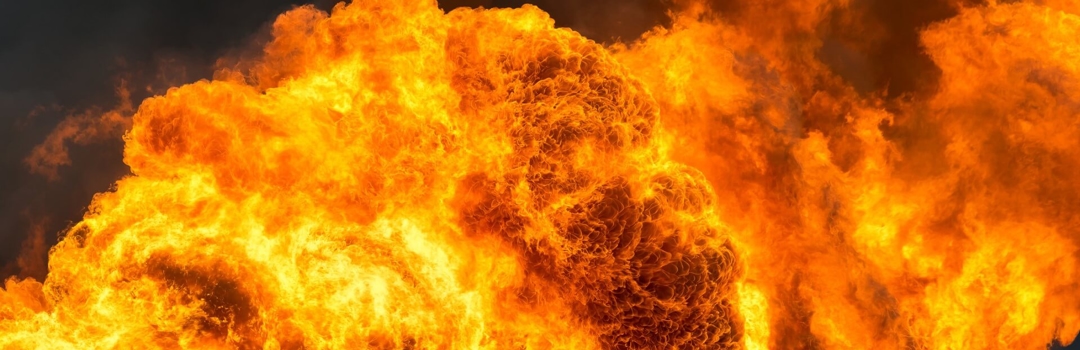
At around 7:20 in the morning on April 21, 2025, an explosion ripped through one of the production decks on Petrobras' offshore platform PCH-1 in the Campos Basin, about 80 miles off the coast of Brazil.
The blast occurred directly below the accommodation module, a multi-story structure where 176 workers slept in cabins, ate meals in the galley, and spent their off-shift hours. Heavy smoke and flames erupted from the production deck beneath the living quarters. Workers scrambling to evacuate faced a nightmare scenario: fire below them, smoke filling their escape routes, and the ocean surrounding them. One worker, caught in the flames, suffered severe burns and fell from the platform into the water below.
The fire burned for nearly four hours before crews could extinguish it. Petrobras officially confirmed 13 injuries, but the workers' union, Sindipetro-NF, reported a far higher toll: 32 injured, with 14 suffering burns and the rest suffering from smoke inhalation. All non-essential personnel had to be evacuated from the platform.
Nearly 18 years earlier, in December 2007, a similar incident put dozens of workers on the Songa Dee offshore platform in Norwegian waters at risk. A fire broke out in the heating and ventilation unit serving the accommodation module, sending thick smoke pouring into the cabins where about 40 workers were sleeping between shifts.
81 people had to be removed from the platform, and the living quarters suffered extensive fire damage. The workers were lucky enough to escape with their lives; investigators later determined they came within minutes of being trapped.
Incidents like these are a reminder of a frightening truth: when you're living and sleeping on an offshore platform, you're close to some of the most dangerous industrial operations in the world. If a fire breaks out in or near your living quarters, your options for escape are severely limited.
What Makes Offshore Living Quarters Dangerous
Offshore platforms are more than work sites. Many are more like floating cities, where hundreds of workers eat, sleep, and spend their time between shifts. Accommodation modules, multi-story structures complete with sleeping cabins, galleys, mess halls, recreation rooms, laundries, and offices, may house dozens of workers at a time.
These offshore living quarters sit on the same platform as drilling operations, fuel storage tanks, high-pressure processing equipment, and miles of piping carrying volatile hydrocarbons. If a fire breaks out in or near living quarters, it may spread quickly through connected walkways or ventilation systems.
The very nature of an offshore platform makes fire response difficult. Workers cannot simply evacuate to the street or a neighboring lot. With water surrounding them, their only options are muster points on the burning platform or lifeboats.
If smoke fills the living quarters and blocks escape routes, workers face an impossible choice between burning and jumping into the ocean.
The Sleeping Crew Problem
Because offshore platforms operate around the clock, workers sleep in shifts. At any given moment, a significant portion of the crew is asleep, recovering from 12- to 14-hour shifts.
This creates a unique vulnerability that industry safety guidance explicitly acknowledges: workers sleeping in cabins face different fire hazards than workers in other accommodation areas because "personnel are likely to be asleep and may not identify the onset of a fire.”
Sleeping workers face multiple disadvantages when a fire breaks out:
Delayed recognition. Workers don't smell smoke, see flames, or notice rising temperature until alarms sound. By that point, smoke may have already filled hallways and cabins.
Disorientation. Being jolted awake by fire alarms in a smoke-filled room creates immediate disorientation. Workers may struggle to remember where they are, where the nearest exit is, and what they should do.
Slower reaction time. People awoken from deep sleep need several seconds to fully wake and start moving. In fire situations where smoke spreads in minutes, those seconds matter.
Vulnerability to smoke inhalation. Sleeping workers may breathe in smoke before they wake. They may already be impaired before they realize there's a fire.
The concentration of sleeping workers during night shifts, combined with reduced staffing for emergency response, creates the worst-case scenario for fires in living quarters.
Confined Spaces with Nowhere to Go
Offshore living quarters pack hundreds of workers into relatively compact, multi-story structures with narrow corridors and small cabins. A typical accommodation module might have only two or three stairwells—and those can fill with smoke in minutes.
The evacuation itself creates additional hazards. Workers rushing through smoke-filled corridors can become disoriented and lost. They may panic and crowd toward exits, creating dangerous bottlenecks. Language barriers among international crews can make it difficult to communicate during chaos. And once workers reach the muster point, they may still face the danger of abandoning the platform via lifeboat or helicopter in rough seas or bad weather.
Your Rights Matter
Offshore workers face enough hazards without having to worry that the living quarters where they sleep might become death traps because companies cut corners on fire safety.
Every offshore worker deserves living quarters with functioning smoke detectors, properly maintained fire suppression systems, clear escape routes, and equipment designed with adequate safety features. When companies fail to provide these basic protections, when they defer maintenance to save money, and when they tolerate unsafe conditions to avoid operational interruptions, they put workers' lives at risk.
If you or someone you love has been injured in an offshore platform fire, or if you've lost a family member to a fire in living quarters, you have legal rights. Companies that fail to maintain safe living quarters should be held accountable. An experienced maritime attorney can help you understand your options and fight for the compensation you deserve.
Call (888) 346-5024 or contact us online for a free consultation.


